
E20 Petrol Engine Damage: Is ethanol ruining your car?

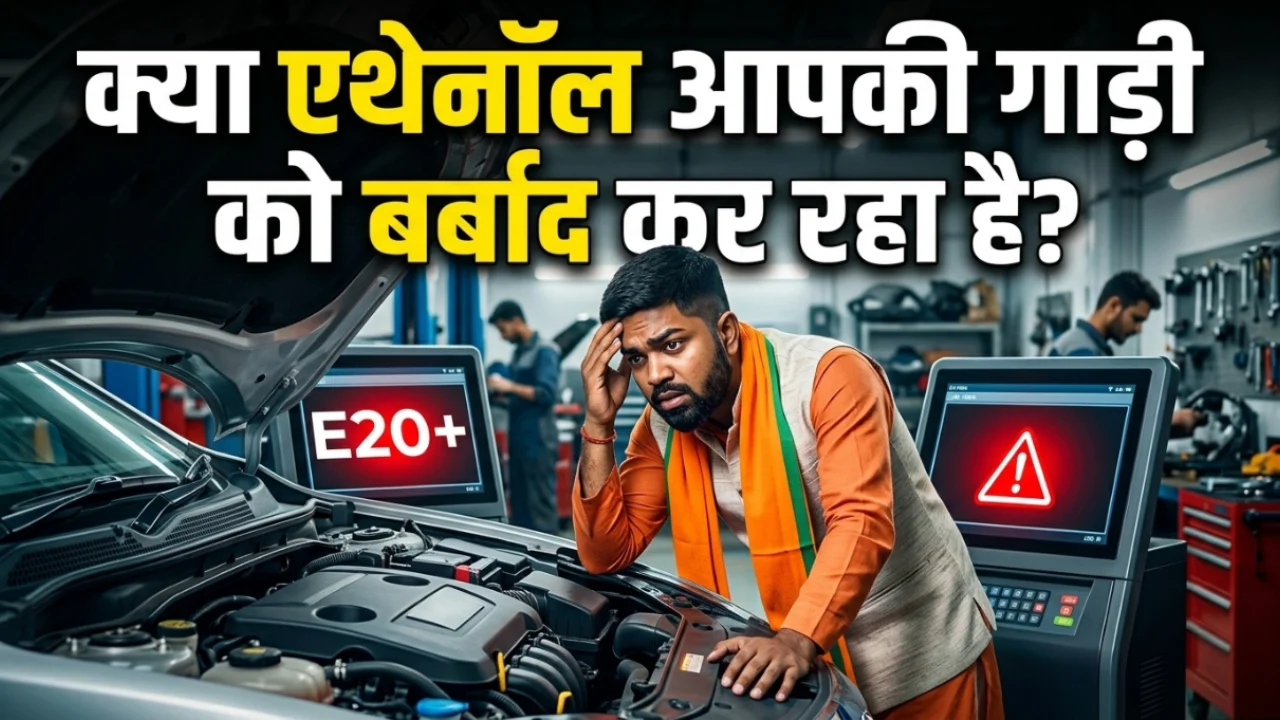
E20 Petrol Engine Damage: There is currently a lot of discussion in the Indian automobile market regarding E20 petrol—fuel blended with 20% ethanol. While the government promotes it as an eco-friendly and cost-effective alternative, vehicle owners are facing significant difficulties on the ground. Brand-new vehicles are breaking down after covering just 10,000 to 12,000 kilometers. Complaints regarding engine knocking, a sudden drop in mileage by half, and the accumulation of heavy sludge resembling debris and water-like ethanol in fuel tanks are steadily rising. Customers feel that their hard-earned money, amounting to lakhs of rupees, is going down the drain in the name of environmental conservation. vehicle government website
Comparison of fuel efficiency before and after E-20 implementation:
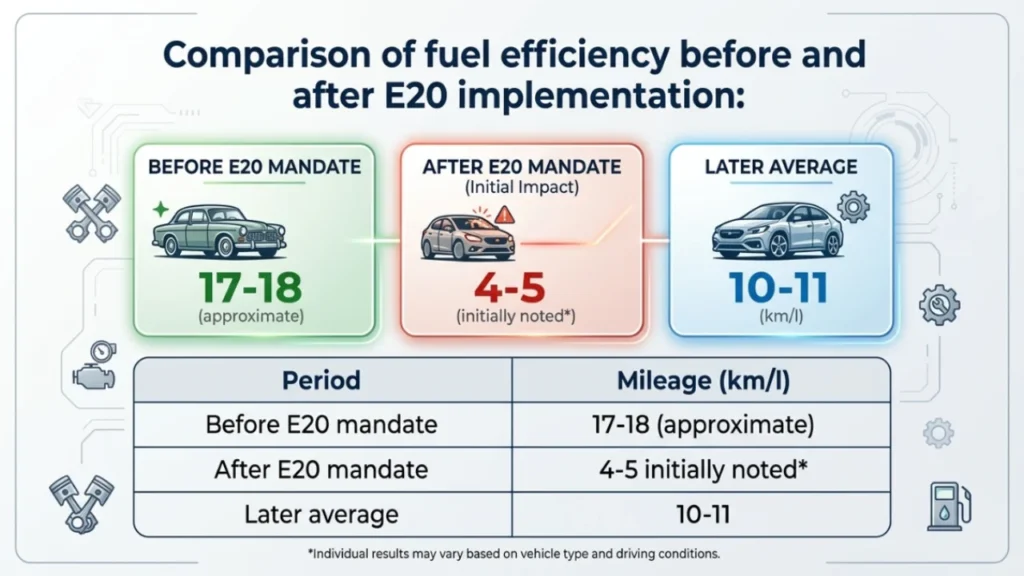
| Period | Mileage (km/l) |
|---|---|
| Before E20 mandate | 17–18 (approximate) |
| After E20 mandate | 4–5 initially noted* |
| Later average | 10–11 |
Read this also : Electric Scooter Showrooms in Lucknow : 2026 Top 10 List
Should you buy a petrol car right now, or is it better to switch to an EV?
If you are planning to buy a new car at this time, it is crucial to consider the implications of E-20 petrol. While hybrid vehicles certainly feature excellent technology, your ₹40 lakh investment could go to waste if the fuel available in the country ends up hollowing out the engine from the inside.
In this scenario, electric vehicles (EVs) are emerging as a solid and reliable choice. With an EV, there is no hassle regarding petrol, no fear of the engine seizing due to ethanol, and no obligation to make frequent trips to the service center every 5,000 kilometers. If you cover long distances daily and wish to avoid recurring maintenance costs, opting for an EV with a good range would be a far more sensible decision than buying a petrol car.
Complete math of losses from ethanol blending
| Type of Problem | Direct Impact on the Vehicle |
|---|---|
| Drop in Mileage | Vehicles that previously delivered 17–18 km/l are now yielding 10–11 km/l. |
| Repair Time | Accessing the fuel tank, supply pump, and all four injectors requires dismantling half the engine. |
| Additional Maintenance | Hefty labor charges for a complete fuel line cleaning every 10,000 kilometers. |
What is E20 petrol, and what specific problems are vehicles facing?
Government of India has implemented a mandate to blend 20% ethanol into petrol to reduce pollution and cut down on crude oil imports. In technical terms, this is known as E20 fuel. In compliance with the rule, manufacturers have made their new vehicles E20-compatible. However, reports emerging from service centers are alarming.
Inspections of vehicle fuel tanks have revealed ethanol levels ranging from 40% to 50%, far exceeding the intended 20%. Mechanics explain that while the engine easily draws in the petrol during operation, it leaves behind a portion of the ethanol at the bottom of the tank. With every subsequent refueling, this residual ethanol accumulates; over time, the concentration in the tank becomes excessive, eventually clogging the entire fuel system.